Lab Tests

Epithelial Cells in Urine: Normal Range, Causes, and When to See a Doctor

2 min read
By DocGenie , Published on - 06 December 2025

What Are Epithelial Cells in Urine?

What Are Epithelial Cells in Urine

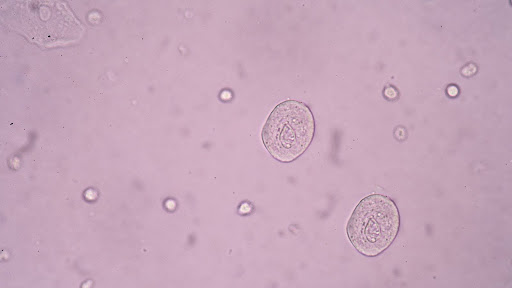
Epithelial cells are tiny cells that form the protective lining of your urinary tract — including your kidneys, bladder, and urethra. These cells naturally shed and can be found in small numbers in your urine. Think of it like a few bricks falling from a well-built wall during routine maintenance — it’s normal. But if too many cells are present, or certain types, it can be a warning sign of irritation, infection, or other health issues.

What Are Epithelial Cells?

Epithelial cells serve as the body's shield — they protect the tissues and help filter waste products. These cells are constantly renewing themselves, which naturally produces some cell shedding into urine. The presence of these cells can indicate how healthy or irritated your urinary system is.

Normal Range of Epithelial Cells in Urine

Laboratories typically consider less than 15 epithelial cells per high power field (HPF) on microscopic examination as normal. Numbers beyond that suggest there might be irritation or damage somewhere along your urinary tract that requires investigation.

Common Causes of Increased Epithelial Cells

  • Urinary Tract Infections (UTIs): The most common culprit. Infections cause inflammation and increased shedding of lining cells.

  • Kidney Diseases: Conditions such as glomerulonephritis provoke inflammation, raising epithelial cell counts.

  • Inflammation or Injury: Kidney stones, catheter use, or trauma to the urinary tract increase cell shedding.

  • Sample Contamination: Poor hygiene during sample collection can introduce false positives.

  • Other Health Issues: Tumors, autoimmune diseases, or chronic irritation can also elevate levels.

How to Reduce Epithelial Cells in Urine

  • Prompt treatment of infections with antibiotics.

  • Drinking plenty of water to flush out bacteria.

  • Practicing proper hygiene to prevent contamination.

  • Avoiding unnecessary catheterization or irritants.

  • Managing chronic kidney or autoimmune issues effectively.

When Should You See a Doctor?

Consult your healthcare provider if you experience symptoms such as:

  • Burning or pain on urination

  • Frequent urges to urinate

  • Blood in urine

  • Fever or flank pain

  • Persistent high epithelial cell counts in tests without clear reason
Your doctor may order further tests such as ultrasounds or specialized urine tests, and involve specialists as needed.

The Importance of Monitoring Urinary Health

Regular urine analysis helps catch problems early. Services like DocGenie facilitate easy access to medical advice and intervention for urinary symptoms or concerns.

Frequently Asked Questions


Epithelial cells are the cells that line the inside of your urinary tract, including your kidneys, bladder, ureters, and urethra. These cells naturally shed as part of your body's renewal process and can be found in small numbers in urine samples. Their presence in urine reflects the natural turnover of cells lining your urinary system.

There are three main types of epithelial cells that may appear in urine:

  • Squamous epithelial cells: Large, flat cells from the urethra and external genital area, common in urine samples and often a sign of contamination.

  • Transitional epithelial cells: Round or polygonal cells lining the bladder, ureters, and upper urinary tract. Elevated amounts may indicate inflammation or infection.

  • Renal tubular epithelial cells: Small cells from the kidney tubules. Their presence often suggests kidney damage or disease and is clinically significant.
A urine sample is examined under a microscope and the number of epithelial cells per high power field (HPF) is counted. A normal range is typically fewer than 15 squamous epithelial cells per HPF. The presence of renal tubular cells is expected to be very low or absent; higher amounts may warrant further investigation.
Yes, increased transitional or squamous epithelial cells often point to urinary tract infections (UTIs) as the lining of the urinary tract becomes irritated and sheds more cells. Infections may also lead to elevated white blood cells and bacteria in urine.
Epithelial cells themselves do not cause symptoms. Symptoms arise from underlying conditions like infections or inflammation which cause increased epithelial cell shedding and issues such as pain, burning sensation during urination, frequent urination, or blood in urine.
Yes, especially squamous epithelial cells can come from skin or vaginal contamination if proper urine sample collection hygiene (midstream clean catch) is not followed. This can lead to falsely elevated epithelial cell counts that do not represent urinary tract health.
Kidney diseases such as glomerulonephritis and acute tubular necrosis, damage from kidney stones, trauma, catheterization, or chronic inflammation can all cause elevated renal tubular or transitional epithelial cells in urine.
Renal tubular epithelial cells suggest injury or disease of the kidneys’ filtering units. Persistently high levels should be evaluated by a doctor as they may indicate significant kidney disease needing urgent management.
While rare, certain abnormal epithelial cells or persistent high counts may warrant further tests to rule out urinary tract or bladder cancers. Presence of atypical cells is usually identified with specialized cytology tests.
Treating underlying infections promptly with antibiotics, maintaining good hydration, practicing proper hygiene, avoiding unnecessary catheter use, and effectively managing chronic urinary conditions help reduce epithelial cell shedding.
Diet generally does not affect epithelial cell counts; however, staying hydrated supports urinary health and reducing irritants may prevent infections that increase epithelial cells.
Repeat testing depends on the cause and clinical symptoms. For infections, repeat testing after treatment confirms clearance. For chronic conditions, doctors may schedule regular monitoring every few months or as needed.
Yes, procedures like catheterization or certain drugs that irritate the urinary tract can temporarily raise epithelial cell numbers.
Dehydration thickens urine, which may indirectly increase the chance of infection but does not directly increase epithelial cell shedding.
Abnormal size, shape, or nuclei in epithelial cells detected under microscopy can indicate malignancy or severe kidney damage, prompting further investigations.
Results are generally accurate but can be influenced by sample contamination, improper collection, or laboratory errors. Clinical correlation with symptoms and other tests is important.

Author Details


Dr.Rachna Kucheria

Dr.Rachna Kucheria
MD (Community Medicine) AIIMS New Delhi
MD (Family Medicine) USC California
Obesity Medicine Certification The American Board of Obesity Medicine
30+ Years of experience

Join thousands of satisfied patients

Experience quality healthcare that's accessible, affordable, and always available.