What Is the Normal Sugar Level in the Human Body? A Complete Guide to Blood Sugar Ranges
4 min read
By DocGenie , Published on - 06 December 2025Introduction
Blood sugar, or blood glucose, is the main type of sugar found in your blood and your body’s key energy source. Monitoring blood sugar is essential for everyone—whether you live with diabetes, have a family history, or just care about staying healthy. Understanding what is “normal,” what happens after you eat, and how these numbers affect your daily wellbeing can help prevent long-term health problems.
What Is Blood Sugar and Why Does It Matter?
Every time you eat, your body breaks down food—especially carbohydrates—into glucose, which enters your bloodstream. Cells use glucose for energy, but they need insulin (a hormone made by your pancreas) to “unlock” the door and let glucose in. This process helps keep your energy steady and your body running smoothly.
If blood sugar gets too high or too low over time, it can harm your heart, kidneys, eyes, and nerves. For people with diabetes, controlling blood sugar is critical to avoid complications.
Normal Blood Sugar Levels: What Should You Aim For?
Let’s break down the typical targets used worldwide:| Test Type | Healthy Adults (Non-Diabetic) | Diabetic Adults |
|---|---|---|
| Fasting Blood Sugar (FBS) | 70–99 mg/dL | 80–130 mg/dL |
| After Eating (Postprandial, 2 hours) | <140 mg/dL | <180 mg/dL |
| Random Blood Sugar | <140 mg/dL | Varies, usually <180 mg/dL |
| HbA1c (3-month average) | <5.7% | <7% is good control |
When Is Sugar Highest and Lowest?
- Fasting: Blood sugar is usually lowest in the morning before breakfast (“fasting”).
- After Meals: Just after eating, blood sugar rises and settles within about two hours as insulin does its job.
- Exercise and Illness: Physical activity lowers it; stress, infections, or certain medications may raise it.
How Is Blood Sugar Measured?
- Fasting Blood Sugar (FBS): Tested after 8–12 hours without eating, often early morning.
- Postprandial Test: Taken two hours after a meal.
- Random Test: Any time, regardless of last meal.
- HbA1c Test: Blood test that averages your sugar levels over 2–3 months.
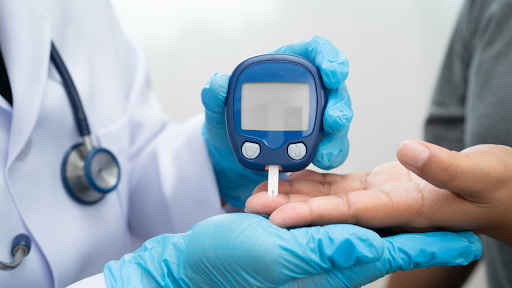
You can check at home With a digital glucometer or get lab tests on doctor’s orders.
Why Does Blood Sugar Fluctuate?
It’s normal for blood sugar to move up and down:- Eating meals (especially carbs) makes it rise.
- Exercise, insulin, or diabetes medications help bring it down.
- Skipping meals, intense exercise, or illness can make it too low (hypoglycemia).
- Balanced eating and consistent lifestyle habits help maintain stable readings.
What Is the Normal Sugar Level After Eating?
In a healthy adult, blood sugar usually stays below 140 mg/dL two hours after eating. In people with diabetes, doctors often recommend keeping it under 180 mg/dL after meals, though individual targets may differ.
Factors that impact post-meal sugar include the kind and amount of food eaten, physical activity, stress, and certain illnesses or medications.
Blood Sugar in Special Situations
- Children: Targets are similar but slightly looser—doctor will advise.
- Pregnancy: “Gestational diabetes” has tighter blood sugar goals to protect mother and baby (generally fasting <95 mg/dL, 2-hour post-meal <120 mg/dL).
- Seniors: Doctors may set higher goals to avoid dangerous lows.
Normal Sugar Level for Diabetic and Non-Diabetic People
For people without diabetes, blood sugar rarely exceeds 140 mg/dL after eating and stays in the 70–99 mg/dL range when fasting. For those with diabetes, the goal is to keep fasting sugar between 80–130 mg/dL and post-meal sugar under 180 mg/dL for best long-term health.
What Affects Blood Sugar Readings?

- Diet: High in sugar or starch? Expect a quick rise.
- Exercise: Muscles use glucose; activity helps lower sugar.
- Stress or Illness: Can temporarily raise blood sugar.
- Medications: Steroids and some other prescriptions may increase levels.
- Alcohol: May cause unpredictable spikes or drops.
When Should You Worry About Blood Sugar?
Seek medical help if you have:- Fasting levels >125 mg/dL on two tests (risk of diabetes)
- Random or post-meal levels regularly above 200 mg/dL
- Symptoms like severe thirst, blurry vision, frequent urination, or unexplained tiredness
Tips for Maintaining Healthy Blood Sugar
- Eat balanced meals with whole grains, lean protein, veggies, and healthy fats.
- Limit sugary drinks and processed snacks.
- Don’t skip meals—especially if on medication.
- Exercise regularly (even walking helps!).
- Manage stress and sleep well.
- Monitor your sugar and note patterns with a diary or app.
Online healthcare platforms like DocGenie make it easy to consult doctors about your sugar results, lifestyle, and medication whenever you need.
Want to know your sugar levels or improve your diabetes control? Book an online blood sugar test or specialist consultation on DocGenie for expert, personalized guidance on diet, medication, and lifestyle—no matter where you live.